
6 Top South Sudan Tours, Safari Experiences and Secret Stays for Serious Travelers
South Sudan is not a typical Safari Destination. It does not have polished lodges on every corner. It does not have luxury camps lined up along busy wildlife circuits. And it does not receive the same visitor numbers as Kenya, Tanzania or Rwanda
That is exactly why some travelers are drawn to it.
If you are based in North America or Europe and looking for South Sudan Tours that feel raw and largely untouched, South Sudan Tours deserve a closer look. Traveling here requires planning, patience, and flexibility. But the reward is access to one of Africa’s least explored landscapes, strong cultural traditions, and wildlife migrations that few outsiders have seen.
This guide outlines six meaningful South Sudan Tours and Safari Experiences. It also explains:
- What travel is really like on the ground
- Where you can stay, and
- What to expect before you book.
Why Consider South Sudan Tours for Safari?
South Sudan became independent in 2011. Years of conflict have shaped the country. Tourism is still in its early stages. Infrastructure is limited. Travel permits are required. And logistics can change quickly.
But wildlife has survived in large numbers, especially in remote protected areas. In fact, surveys by groups such as the Wildlife Conservation Society have recorded one of the largest land mammal migrations on Earth in the country’s east.
For travelers who have already visited the well-known parks in East and Southern Africa, South Sudan Tours offers something different:
- Very low visitor numbers
- Vast open landscapes with little development
- Strong pastoral cultures that still live traditionally
- Wildlife populations that move freely across huge areas
South Sudan Tours is not mass tourism. It is expedition-style travel.
South Sudan Tours Experiences at a Glance
1. The Boma–Badingilo Migration Safari
The main wildlife draw in South Sudan lies in the east, across Boma National Park and Badingilo National Park.
These parks form a massive ecosystem of grasslands, wetlands, and woodland. Seasonal rains shape everything. And with the rains come animals.
What Makes It Special
Large herds of white-eared kob, tiang antelope, and Mongalla gazelle move across the plains in huge numbers. Predators follow. So do birds. The scale surprises most people. It feels closer to what East Africa may have looked like a century ago.
Unlike the more famous Serengeti National Park migration, this one has almost no vehicles around it. You are not competing with dozens of safari trucks for a sighting.
What You Can Expect
- Open savannah and floodplains
- Herds stretching to the horizon
- Very basic mobile camps or fly-camping setups
- Travel by 4×4 and sometimes by charter flight
There are no permanent luxury lodges inside these parks. South Sudan Tours are usually arranged as private expeditions with a small support team.
This safari suits experienced travelers who are comfortable with remote conditions.
2. Bandingilo Wetlands and the White Nile
The wetlands near the White Nile create a different kind of safari experience. This area is part of the greater Bandingilo ecosystem.
Birdlife is strong here. You may see shoebills, storks, and pelicans. Crocodiles and hippos gather along the riverbanks. The scenery shifts between grassland and water channels.
Why South Sudan Tours to Bandingilo Appeals to Travelers
- Many visitors from the West are used to well-managed parks with set roads and fixed routes. In Bandingilo, routes depend on water levels and seasonal access. You are not following a standard loop. You are adapting to the land.
- It feels exploratory.
- Boat trips on the Nile can be arranged in some sections, depending on security and water conditions. But most wildlife viewing is still done by vehicle.
3. Cultural Safaris with the Mundari and Dinka
A safari in South Sudan is not only about wildlife. It is also about people.
The cattle camps of the Mundari and Dinka are among the most photographed and talked about cultural experiences in the country.
These communities are pastoralists. Cattle are central to life. Camps move with the seasons. At dawn and dusk, smoke from cow dung fires drifts through the air to keep insects away.
What to Know about the South Sudan Culture
- South Sudan Tours and visits must be arranged respectfully and through local contacts.
- Photography should always be discussed first.
- Conditions are basic. You may camp nearby rather than stay in a formal lodge.
This is not staged tourism. It is daily life. And that means plans can shift.
Travelers from Europe and North America often value authentic interaction. But it is important to approach these visits with humility. Remember, you are a guest in someone’s home.
4. Nimule National Park and the Ugandan Borderlands
In the south, near the border with Uganda, lies Nimule National Park.
This park is easier to access compared to the eastern reserves. It sits along the White Nile and has rolling hills and woodland.
Wildlife here includes elephants, buffalo, and antelope species. The numbers are not as large as in Boma, but the park offers a gentler introduction to South Sudan.
Some travelers combine South Sudan Tours with longer East Africa trip.
For example, You may visit Uganda’s Murchison Falls and then cross into Nimule for a few days. That creates contrast between well-developed tourism and a more emerging destination.
5. Juba and the Nile Corridor
- Juba is the capital and main entry point. Most international flights arrive here.
- Juba itself is not a safari hub in the classic sense. But it provides insight into modern South Sudan. You can visit local markets, meet community organizations, and learn about the country’s recent history.
- Short excursions along the Nile can be arranged. Sunset views over the river are often a highlight.
- Travelers from the West should understand that services in Juba are functional but limited. Hotels range from modest to mid-range. Power cuts can happen. Internet is slow. That is part of the reality.
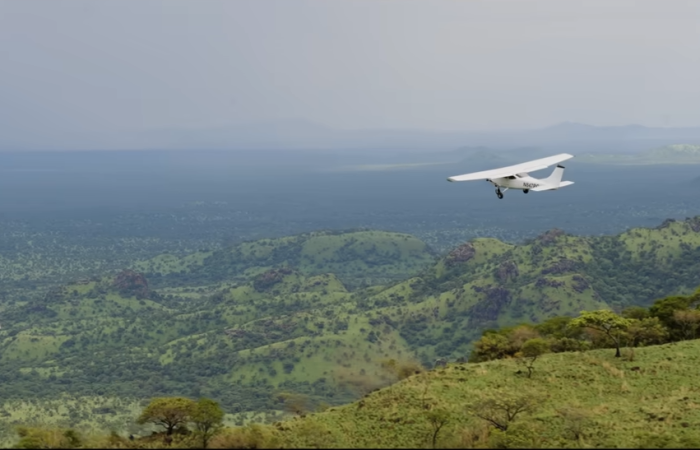
6. Remote Fly-In Expedition
- For those with a higher budget and limited time, charter flights open access to remote zones quickly.
- Small aircraft can land on basic airstrips near wildlife areas. This reduces long road transfers. It also adds flexibility.
- These trips are usually custom-built. A small team sets up mobile tents, cooks meals, and manages logistics. You may move camp during the journey.
- This style of safari appeals to photographers, researchers, and repeat Africa travelers who want something different from mainstream circuits.
Accommodation: What “Secret Stays” Really Means Here
For South Sudan Tours, “Secret Stays” does not mean hidden luxury lodges. It means remote, low-profile places that few outsiders visit.
Options include:
-
-
- Basic tented camps in protected areas
- Guesthouses in Juba
- Simple bandas or cottages near parks
- Mobile expedition camps set up for your group
-
Standards vary. Hot water is not guaranteed. Air conditioning is rare outside the capital. And food is often simple but fresh.
Travelers from North America and Europe should adjust expectations. This is not Botswana or Kenya. But if you value remoteness over comfort, you may find it rewarding.
South Sudan Tours Safety and Practical Considerations
It would be misleading to ignore security.
South Sudan has experienced instability. Travel advisories from the US, UK, Canada, and EU countries often recommend caution or avoiding non-essential travel. Conditions can change.
If you decide to travel:
- Book with Mpenzi Safaris Africa Ltd, we are experienced local operators
- Monitor government travel advice.
- Arrange permits in advance.
Travel insurance that covers evacuation is essential.
Most safari areas are far from urban centers. That can reduce certain risks. But planning must be thorough.
Who Should Travel to South Sudan?
South Sudan Tours are not for first-time Africa visitors looking for easy logistics.
They suit:
- Repeat safari travelers
- Documentary photographers
- Conservation-minded visitors
- Travelers comfortable with basic conditions
- People who understand political complexity
If you prefer polished service, spa lodges, and consistent Wi-Fi, you may find this destination challenging.
But if you want to see wildlife without a line of vehicles, and meet communities who rarely interact with tourists, South Sudan stands apart.
Best Time to Visit South Sudan
- The dry season generally runs from December to March. Roads are more accessible. Wildlife gathers around water sources.
- The rainy season can make some regions inaccessible. But it also supports migrations and birdlife.
- Timing depends on your focus. Migration viewing often aligns with seasonal rains. Access depends on road conditions.
- Discuss timing carefully with us (Mpenzi Safaris Africa) to advise you better.
Cost Expectations
- South Sudan is not cheap.
- Low visitor numbers mean limited economies of scale. Transport is expensive. Fuel costs are high. Charter flights add more.
- A private expedition-style safari can cost as much as or more than established East African destinations.
- For this South Sudan Tours, you are paying for logistics, permits, security planning, and remote access.