
Burundi Safari Tours & Trips: 9 Powerful Travel Experiences
Burundi Safaris & Tours: Real Experiences in East Africa’s Most Underrated Destination
Burundi Safari Tours are not widely known, as the country is not traditionally famous for safari experiences.
You don’t see it on travel magazine covers. You won’t find luxury lodge ads targeting it. It rarely appears in “Top African Destinations” lists.
And yet, it sits in the middle of East Africa, bordered by Rwanda, Tanzania, and the Democratic Republic of Congo. It touches Lake Tanganyika. It shares forest systems with Rwanda’s Nyungwe. It holds one of Africa’s strongest drum traditions. And it protects wildlife parks that receive almost no traffic.
So why is Burundi overlooked?
History, Politics, Limited marketing and Limited infrastructure.
But for certain travelers, that’s not a disadvantage.
It’s the reason to go.
This guide gives you a full picture of what Burundi Safari Tours actually look like. No hype, No exaggeration, Just clear information so you can decide if it fits your travel style.
Where Is Burundi and Why It Matters
Burundi is a small, landlocked country in East Africa.
It borders:
- Rwanda to the north
- Tanzania to the east and south
- Democratic Republic of Congo to the west
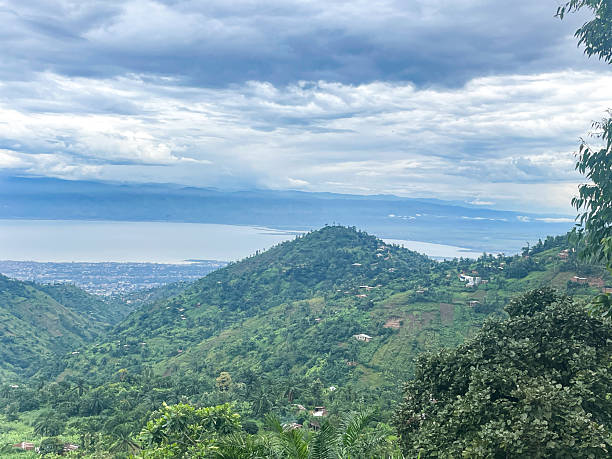
Its western boundary runs along Lake Tanganyika, one of the deepest and longest freshwater lakes in the world.
The capital is Gitega, though Bujumbura remains the main gateway city and commercial center.
Geographically, Burundi sits along the Congo-Nile Divide. Much of the country lies at elevation. That means moderate temperatures year-round, even though it sits near the equator.
Burundi matters because it occupies a unique ecological zone:
- Highland rainforest
- Savannah plains
- River ecosystems
- Freshwater lake shoreline
- Rolling agricultural hills
It also shares ecological continuity with Rwanda and parts of Uganda. The forests in Kibira connect to Rwanda’s Nyungwe Forest.
In other words, Burundi is not isolated. It’s part of a larger East African ecosystem — just far less visited
What Makes Burundi Safari Tours Different
If you are comparing Burundi to Kenya or Tanzania, adjust expectations.
You will not see:
- Massive herds like the Serengeti
- High predator density
- Luxury tented camps with plunge pools
- Long lines of safari vehicles
Instead, you will find:
- Low visitor numbers
- Quiet national parks
- Cultural encounters that feel local
- Basic but authentic accommodations
- Wildlife viewing without traffic
Burundi is not about spectacle. It’s about intimacy.
The Burundi Safari Tours appeal to:
- Repeat Africa travelers
- Cultural explorers
- Researchers and photographers
- Travelers who prefer lesser-known routes
- People combining multiple countries
If this is your First African Safari and you want guaranteed wildlife density, Burundi may not be the right starting point.
But if you want something quieter and more grounded, it deserves attention.
How to Get to Burundi from North America and Europe
There are no direct flights from North America or Europe to Burundi.
You will connect through major African or Middle Eastern hubs.
The Following are the Common Routing options:
From Europe:
- Brussels Belgium → Addis Ababa → Bujumbura
- Paris France → Nairobi → Bujumbura
- Istanbul Türkiye → Bujumbura
From North America:
- New York → Addis Ababa → Bujumbura
- Washington DC → Nairobi → Bujumbura
- Toronto Pearson → European hub → East Africa → Bujumbura
Flight time:
- Europe: 10–16 hours including connections
- North America: 16–24+ hours depending on route
Another practical option is entering by road from Rwanda. The drive from Kigali to Bujumbura takes around six to seven hours depending on border traffic. The scenery along the way is green and hilly.
If you are already Trekking Gorillas in Rwanda or Uganda, adding Burundi by road makes sense geographically.
Burundi Visa Requirements and Entry Process
Visa policies change. You are Always encouraged to confirm before travel before Burundi Safari Tours.
Most Western passport holders require a visa.
Options may include:
- Visa on arrival (availability can change)
- E-visa application
- Embassy-issued visa
- Typical tourist visa validity:
- 30 days
- Passport must:
- Be valid for at least 6 months
- Have blank pages
- Yellow fever vaccination:
Usually required if arriving from a yellow fever risk country. In practice, many travelers are asked to show a yellow fever certificate. - Entry process:
The airport is small. Processing can be straightforward but not fast by Western standards. Patience helps.
Burundi Travel Advisory Reality
The Burundi Travel Advisory is very important for your safe Burundi Safari Tours
Burundi has experienced political instability in the past. That history affects how foreign governments rate travel advisories.
Travel advisories vary by country and change frequently. Some Western governments list Burundi under “Exercise Caution” or similar categories.
What does that mean in practical terms?
Tourist visits to:
- Bujumbura
- Lake Tanganyika area
- Kibira National Park
- Rusizi National Park
Have occurred without widespread incidents.
However:
- Independent travel without local coordination is not recommended.
- Infrastructure is limited.
- Emergency response systems are basic compared to Western countries.
If you visit, work with Mpenzi Safaris Africa Ltd (A Registered Local Operator). Monitor government updates before departure. Purchase comprehensive travel insurance.
Burundi is not a reckless destination. But it requires informed planning.
Best Time to Visit Burundi
Burundi has Two Dry Seasons:
- June to September
- December to February
These are the best months for safaris and forest hiking.
Roads are more accessible. Wildlife viewing improves in savannah areas.
Rainy Seasons:
- March to May (heavier rains)
- October to November (shorter rains)
Rain makes forest tracking more slippery and some rural roads more difficult.
Temperatures:
Due to elevation, Burundi rarely feels extremely hot. Even near Lake Tanganyika, evenings can be pleasant.
If combining with Rwanda or Uganda, align your travel with the regional dry seasons.
Detailed Guide to Burundi Safari Tours National Parks and Wildlife Areas
The 9 Powerful Travel Experiences in Burundi Include:
1. Kibira National Park
2. Rusizi National Park
3. Ruvubu National Park
4. Kigwena Forest Reserve
5. Gishora Drum Sanctuary
6. Gitega City
7. Rural Village Visits
8. Lake Tanganyika
9. Mount Heha
Now let’s go deeper into Burundi Safari Tours major Areas.
Kibira National Park
Kibira protects montane rainforest along the Congo-Nile ridge.
This ecosystem links to Rwanda’s Nyungwe Forest National Park.
Wildlife includes:
- Chimpanzees
- Black-and-white colobus monkeys
- Blue monkeys
- Red-tailed monkeys
- Over 200 bird species
Chimp tracking here is less regulated and less crowded than in Uganda or Rwanda. That means:
- Fewer groups
- Lower permit pressure
- More flexible logistics
Hikes vary in length. Terrain can be steep and muddy.
This park is ideal for:
- Primate enthusiasts
- Birdwatchers
- Hikers
- Travelers who want forest immersion
Lodging near Kibira is basic to midrange. There are no ultra-luxury forest lodges.
Rusizi National Park
Located near Bujumbura, Rusizi protects riverine ecosystems where the Rusizi River meets Lake Tanganyika.
Wildlife highlights:
- Hippos
- Nile crocodiles
- Antelope
- Water birds
Boat excursions along the river are common. Sunset boat rides are a highlight.
This park is small but convenient. It works well as a half-day or full-day excursion from Bujumbura.
Ruvubu National Park
Ruvubu is one of the largest protected area of the Burundi Safari Tours.
The Landscape of Ruvubu National Park contains:
- Savannah plains
- River systems
- Woodland
Predator sightings are possible but not common compared to Serengeti or Maasai Mara.
This is the list of Wildlife to see in Ruvubu
- Buffalo
- Antelope species
- Baboons
- Primates
- Birdlife
Ruvubu National park is suitable for:
- Travelers who value moving alone (Solo Travelers)
- Those interested in emerging safari destinations
- Photographers seeking untouched landscapes
Road conditions can be rough. A 4×4 vehicle is essential.
Gishora Drum Sanctuary
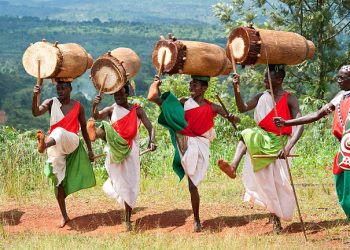
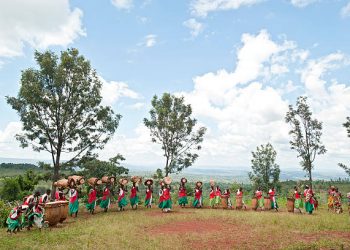
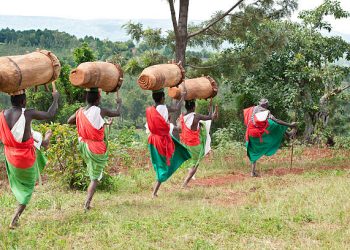
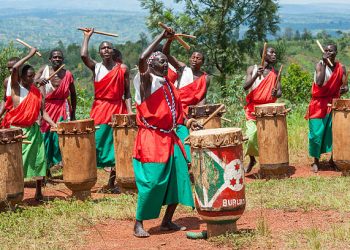
Burundi’s royal drum tradition is central to national identity.
At Gishora, near Gitega, visitors can witness traditional drumming performances. These are not casual entertainment acts. The drums have historical and ceremonial meaning.
The performance is powerful. The rhythm is intense. It feels rooted in something older than tourism.
For many visitors, this becomes the most memorable experience in Burundi.
Gitega City
Gitega is Burundi’s political capital and an important cultural center of the country. Located in the central highlands, the city offers visitors a chance to experience Burundi’s heritage and everyday life beyond the typical safari route.
While in Gitega, you can visit:
- National Museum – showcasing traditional artifacts, royal history, and cultural heritage
- Local markets – lively places to observe daily life and interact with local communities
A visit to Gitega provides valuable insight into modern Burundi while also highlighting the country’s rich cultural traditions.
Lake Tanganyika: The Overlooked Highlight
Lake Tanganyika is one of Africa’s most impressive freshwater bodies.
In Burundi, it forms a long western border.
Activities include:
- Swimming
- Boat cruises
- Fishing excursions
- Lakeside relaxation on lake beaches
The sunsets over the Congo hills across the water are calm and dramatic.
Accommodation ranges from simple lakeside guesthouses to midrange hotels in Bujumbura.
It is not a beach destination like Zanzibar. But it offers a quiet lakeside atmosphere.
Mount Heha and Highland Hiking
Mount Heha is Burundi’s highest point.
Hiking here offers:
- Panoramic views
- Cooler temperatures
- Insight into Burundi’s elevated terrain
Hikes are moderate. Infrastructure is minimal.
This appeals to active travelers who enjoy combining wildlife with landscape exploration.
Cost of a Burundi Safari Tour
Let’s break this down clearly.
The Cost of Burundi Safari Tours vary based on: Vehicle type, Guide quality, Accommodation level, Duration and Multi-country combination
The following are the Estimated Burundi Safari Tours Cost daily ranges (excluding international flights):
Budget: $150–250 per person per day
Includes:
- Simple guesthouses
- Shared vehicle
- Park fees
- Local guide
Midrange: $300–450 per person per day
Includes:
- Private 4×4
- Comfortable lodges
- English-speaking guide
- Park fees
High-End
Burundi does not yet offer ultra-luxury safari infrastructure. Higher-end means best available properties rather than world-class luxury camps.
Flights, visas, travel insurance, and tips are additional.
What is Included and Excluded in Burundi Safari Tours
What is Usually Included
1. Private 4×4 Safari Vehicle
- Land Cruiser or similar 4 Wheel Drive
- Fuel throughout the Itinerary
- French or English Speaking Driver-Guide
- Park Access Clearance
2. Accommodation
- Selected lodges, guesthouses, or hotels as outlined
- Private rooms (double/twin depending on request)
3. Meals
- Breakfast daily
- Lunch and dinner as specified in the itinerary
- Bottled drinking water in the vehicle
4. Park & Activity Fees
- All national park entry fees
- Chimpanzee tracking permits (where included)
- Guided forest walks
- Boat excursions (if listed in itinerary)
- Cultural visits such as Gishora Drum Sanctuary
5. Airport Transfers
- Pick-up and drop-off at Melchior Ndadaye International Airport (Bujumbura)
6. Government Taxes
- VAT and tourism service taxes where applicable
What’s Not Included (Standard Exclusions)
- International flights
- Visa fees for Burundi (and other countries if combined)
- Travel insurance (mandatory)
- Yellow fever vaccination (if required)
- Tips for guides, drivers, and hotel staff
- Personal expenses (laundry, drinks, souvenirs)
- Optional activities not listed in the itinerary
- Any increase in park fees imposed after booking
- Medical evacuation cover
Burundi Safari Tours Itineraries
Below are some of the Burundi Safari Tours Itinerary concepts designed for serious travelers.
Day 1: Arrive Bujumbura
Airport transfer. Lakeside hotel. Rest.
Day 2: Rusizi National Park + Lake Tanganyika
Morning river boat safari. Afternoon at leisure by the lake.
Day 3: Transfer to Kibira National Park
Scenic drive through tea plantations. Forest lodge stay.
Day 4: Chimpanzee Tracking
Early start. Forest trek. Afternoon birding or waterfall hike.
Day 5: Gitega Cultural Experience
Visit Gishora Drum Sanctuary. National Museum.
Day 6: Ruvubu National Park
Game drive in savannah landscape. Overnight near park.
Day 7: Return to Bujumbura
Departure.
Days 1–3: Rwanda
Kigali city tour. Nyungwe Forest chimp tracking.
Days 4–6: Burundi
Kibira Forest. Gishora Drums. Lake Tanganyika.
Days 7–9: Uganda
Bwindi gorilla trekking. Community visits.
Days 10–12: Queen Elizabeth National Park
Savannah safari. Boat cruise. Departure via Entebbe.
This itinerary balances primates, culture, and savannah wildlife.
Days 1–3: Rwanda
Arrival in Kigali followed by a city tour, including key cultural and historical sites. Travel south to Nyungwe Forest for chimpanzee tracking and a guided walk through one of Africa’s oldest rainforests.
Days 4–6: Burundi
Cross into Burundi and explore Kibira National Park with chances to see chimpanzees and other forest primates. Visit the Gishora Drum Sanctuary to experience Burundi’s famous royal drumming traditions. Relax along the shores of Lake Tanganyika near Bujumbura.
Days 7–9: Uganda
Enter Uganda and continue to Bwindi Impenetrable Forest for the highlight of the journey—mountain gorilla trekking. Spend time with local communities and learn about conservation efforts around the park.
Days 10–12: Queen Elizabeth National Park
Travel to Queen Elizabeth National Park for classic savannah wildlife viewing. Enjoy game drives in search of elephants, buffalo, lions, and antelope, plus a boat cruise along the Kazinga Channel.
Days 13–14: Return via Entebbe
Final wildlife viewing and a scenic drive back toward Entebbe, with optional stops along the way before departure.
This itinerary balances primates, culture, and savannah wildlife across three fascinating East African countries.
Who Should Travel to Burundi
Burundi suits:
- Travelers who have already visited Kenya or Tanzania
- Cultural anthropologists
- Documentary photographers
- Travelers interested in post-conflict recovery stories
- Slow travelers
It is not ideal for:
- First-time safari travelers wanting guaranteed predator sightings
- Luxury-only travelers
- Travelers uncomfortable with basic infrastructure